
Window treatments do far more than simply frame a view. They help regulate natural light, improve insulation, enhance privacy, and serve as an important design element within your home. Because of this, selecting the right window treatment deserves thoughtful consideration.
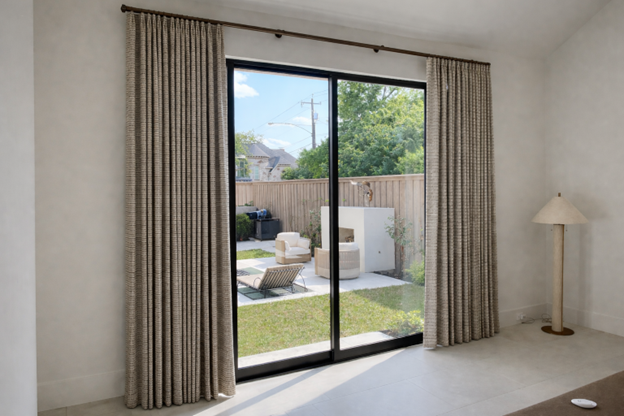
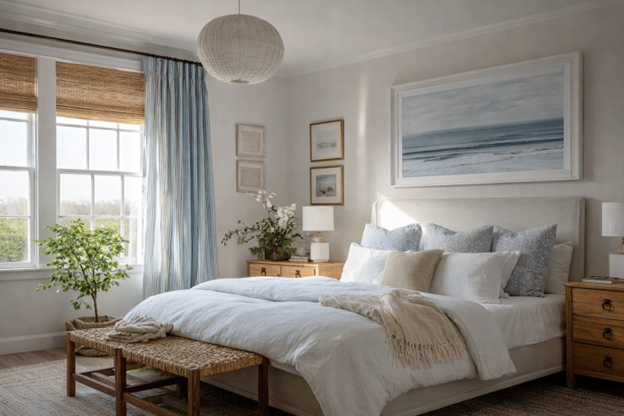
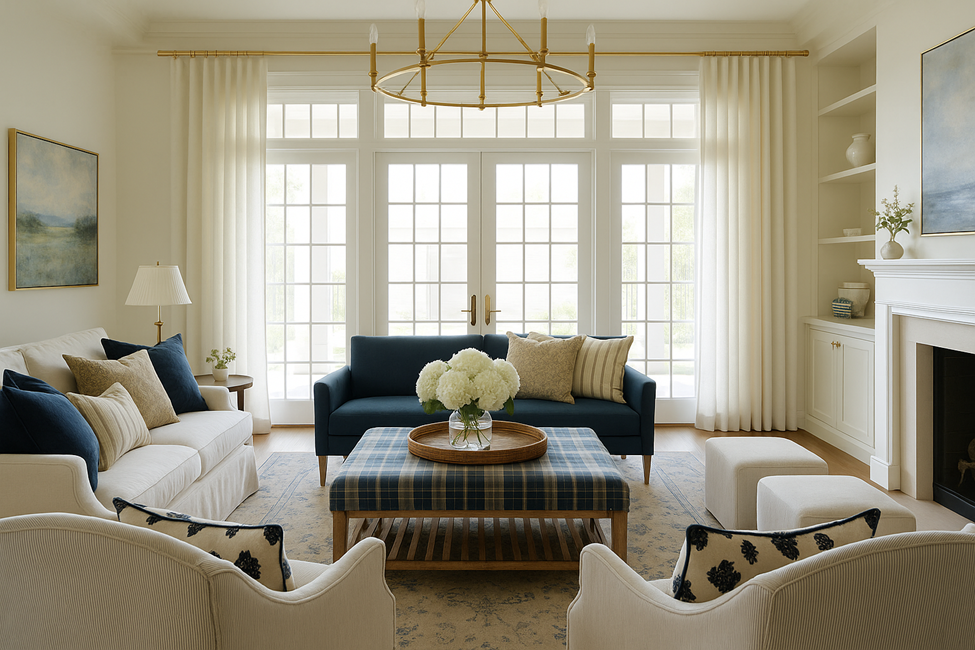
Curtains remain one of the most popular options thanks to their ease of use and virtually limitless design possibilities. However, depending on your functional needs, curtains may not always be the most effective solution. For homeowners focused on reducing UV exposure while still enjoying natural light, solar shades often provide a better alternative.
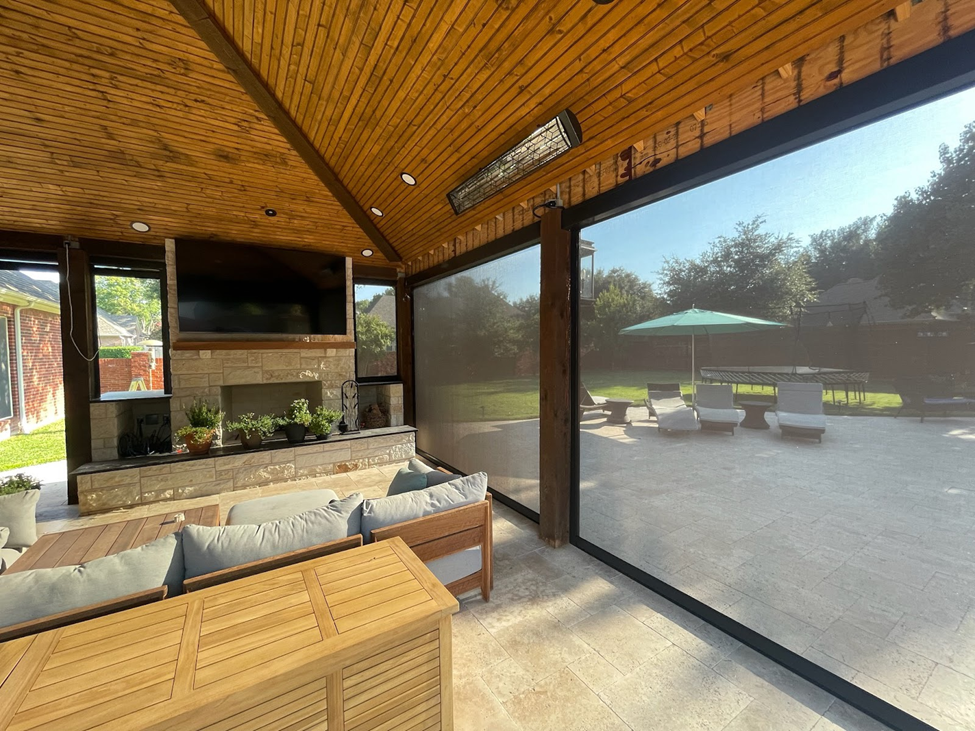
While some curtains offer UV-blocking capabilities, they typically achieve this by using heavier, opaque fabrics that significantly limit incoming sunlight. This means you’re often forced to choose between protecting your interiors and enjoying daylight. Solar shades, on the other hand, are specifically engineered to block harmful UV rays while still allowing light to filter into your space. The result is a brighter home that’s protected from fading, discoloration, and long-term damage to flooring, furniture, and textiles.
When selecting solar shades, finding the right balance between light control and UV protection comes down to openness percentage. Lower openness shades block more UV rays but allow less light to pass through. For example, a 1% openness shade can block up to 99% of UV rays, offering maximum protection with higher opacity.
A 10% openness shade, by comparison, blocks about 90% of UV rays while allowing significantly more natural light into the room. Choosing the right option depends on your priorities—whether you value maximum protection, enhanced brightness, or a balance of both.